Explore

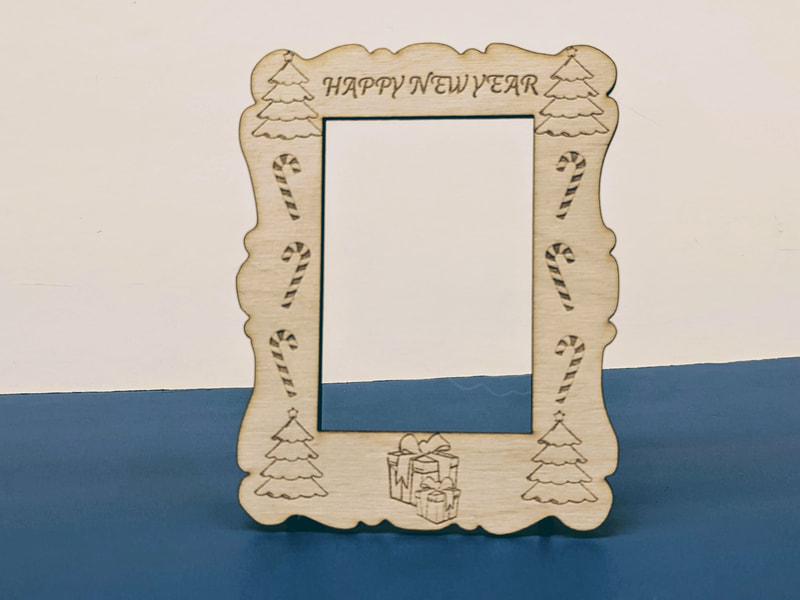
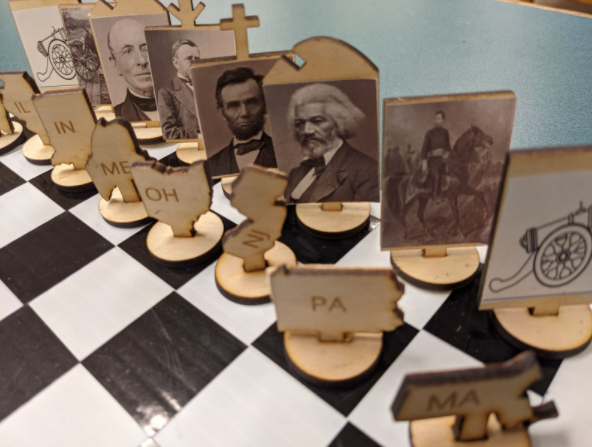
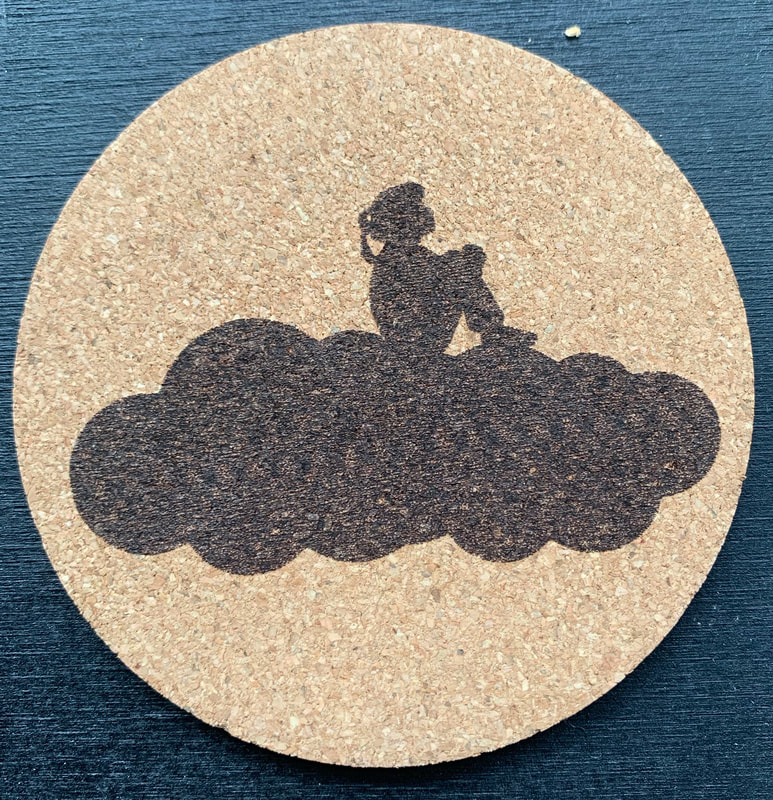
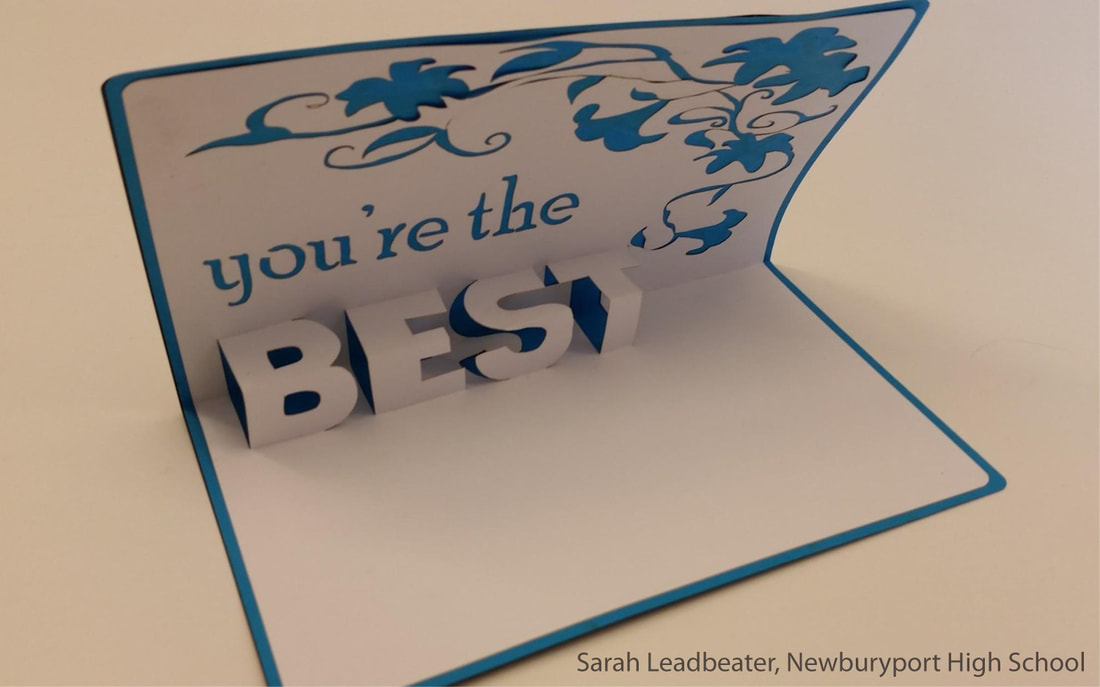
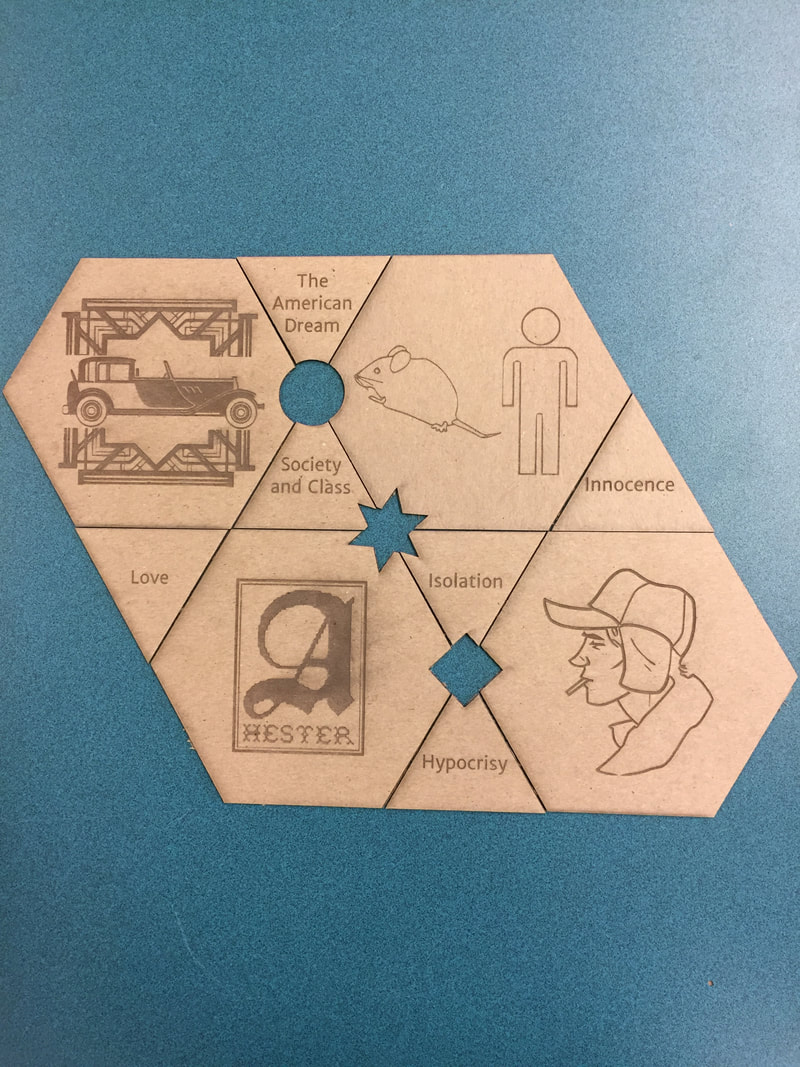
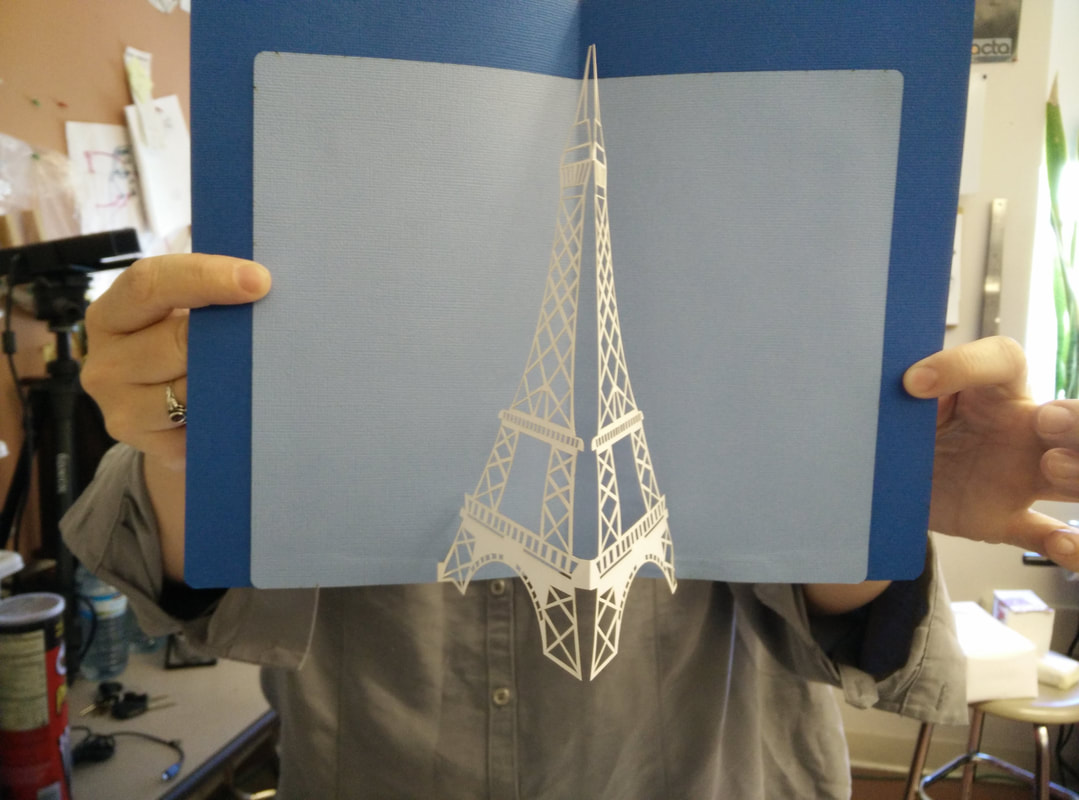
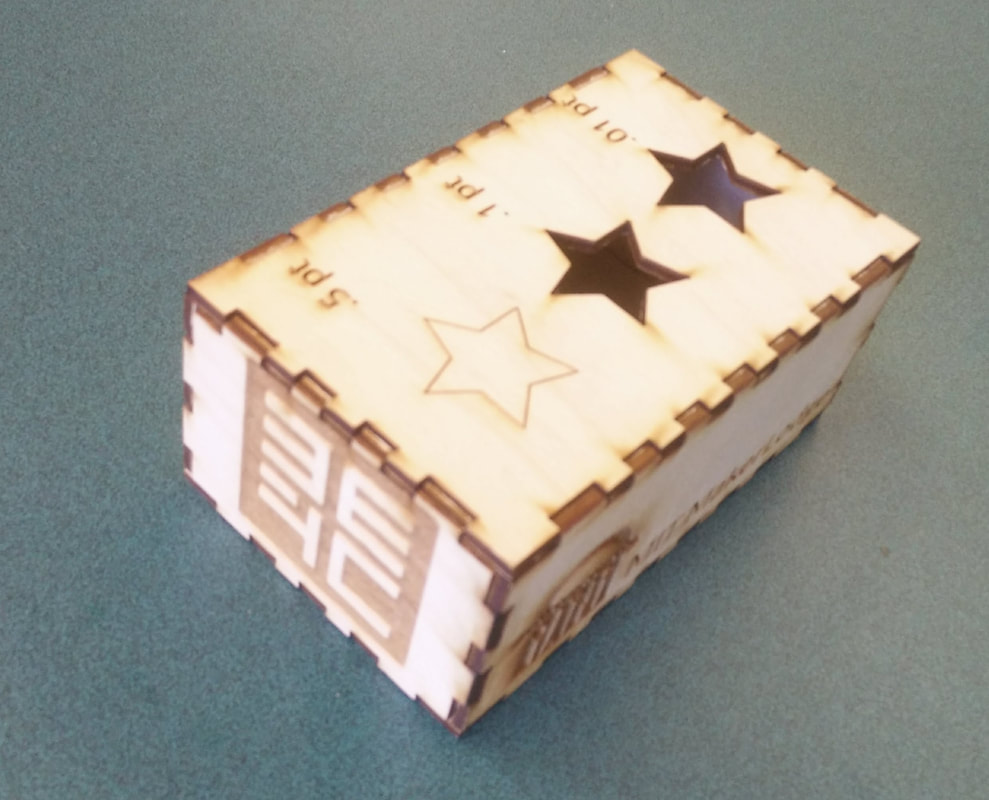
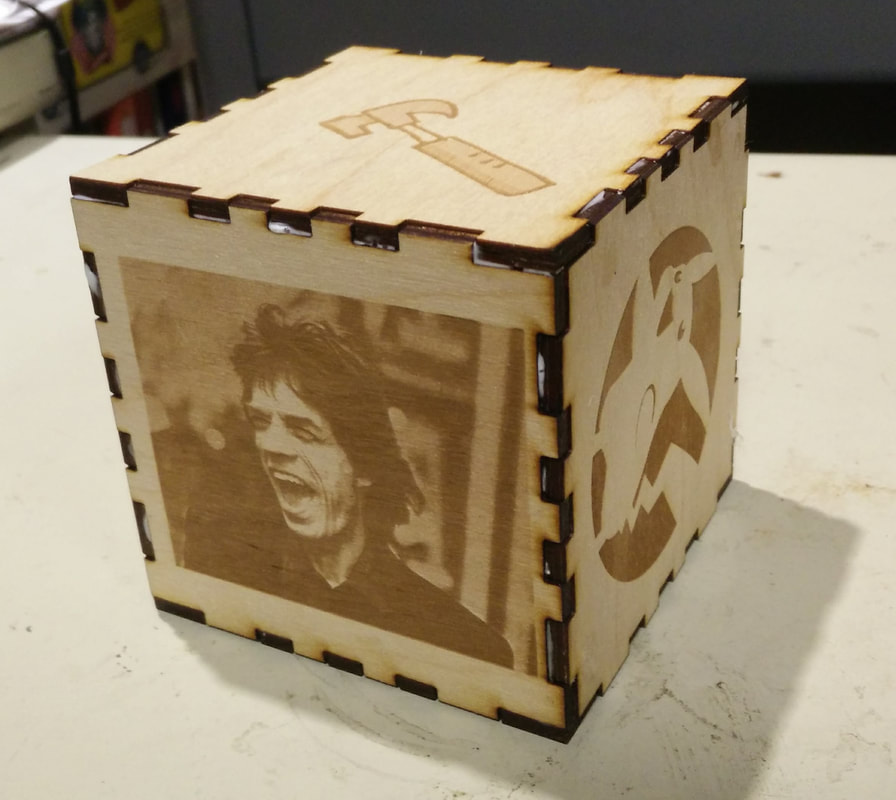
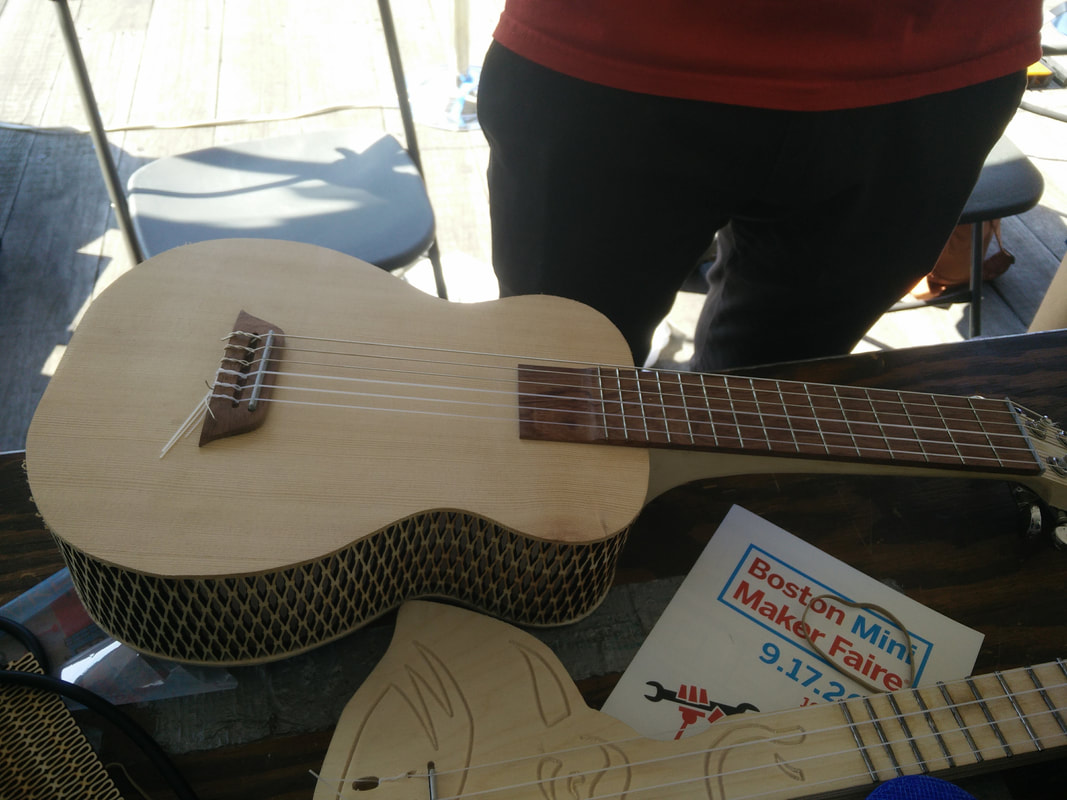
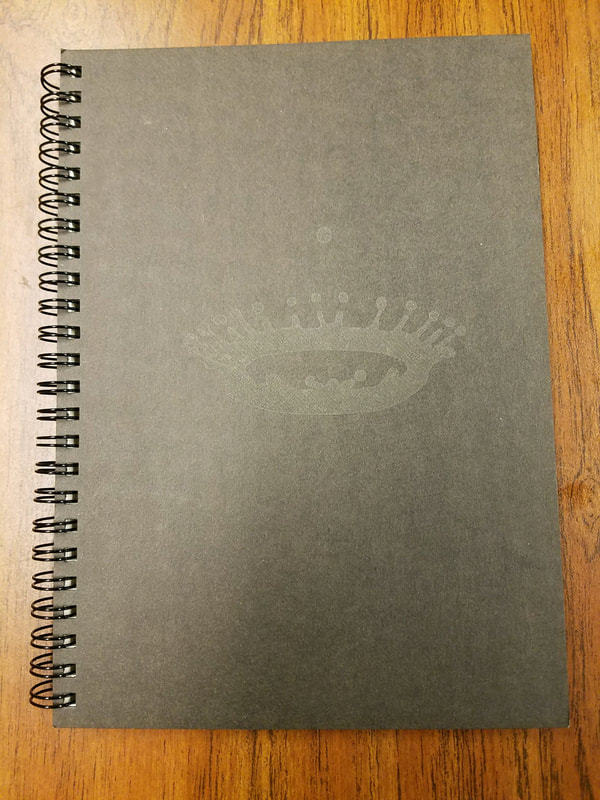
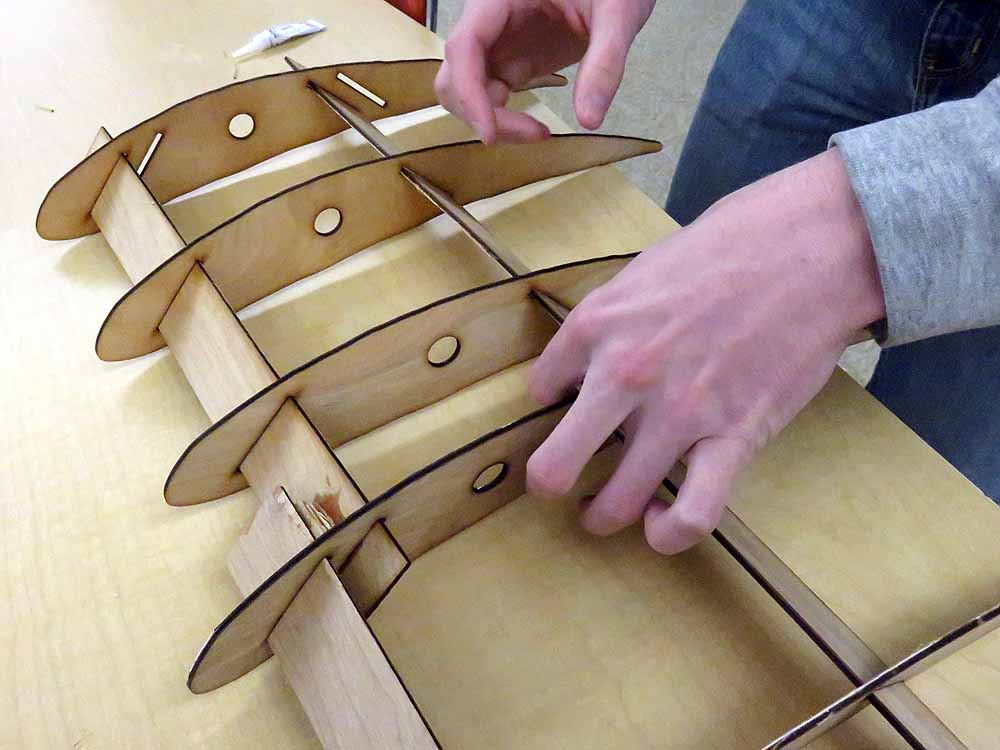
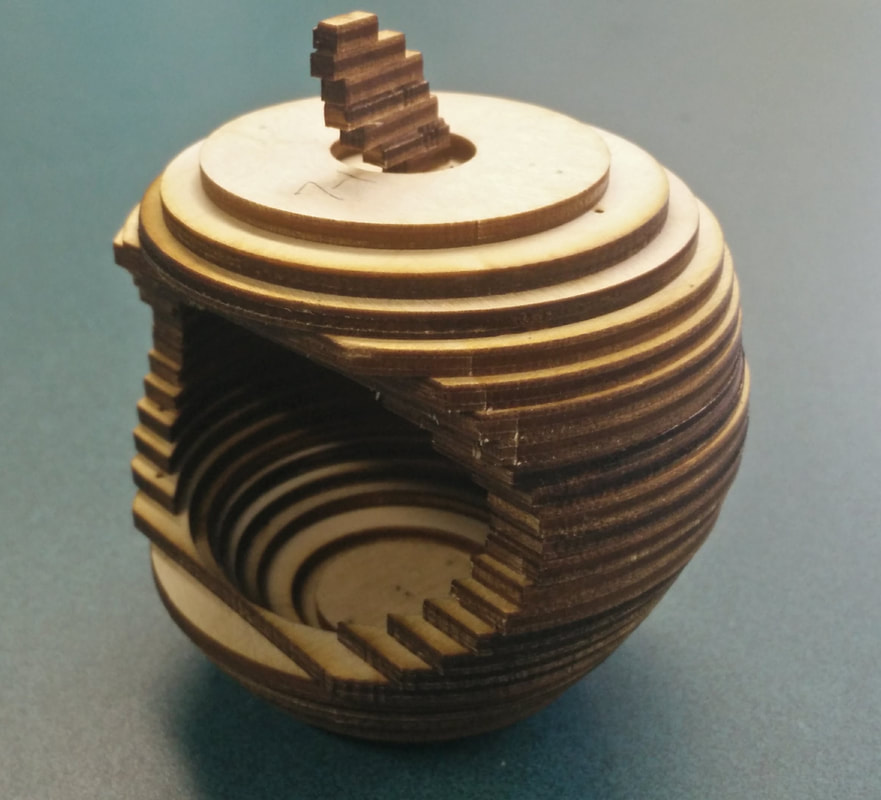
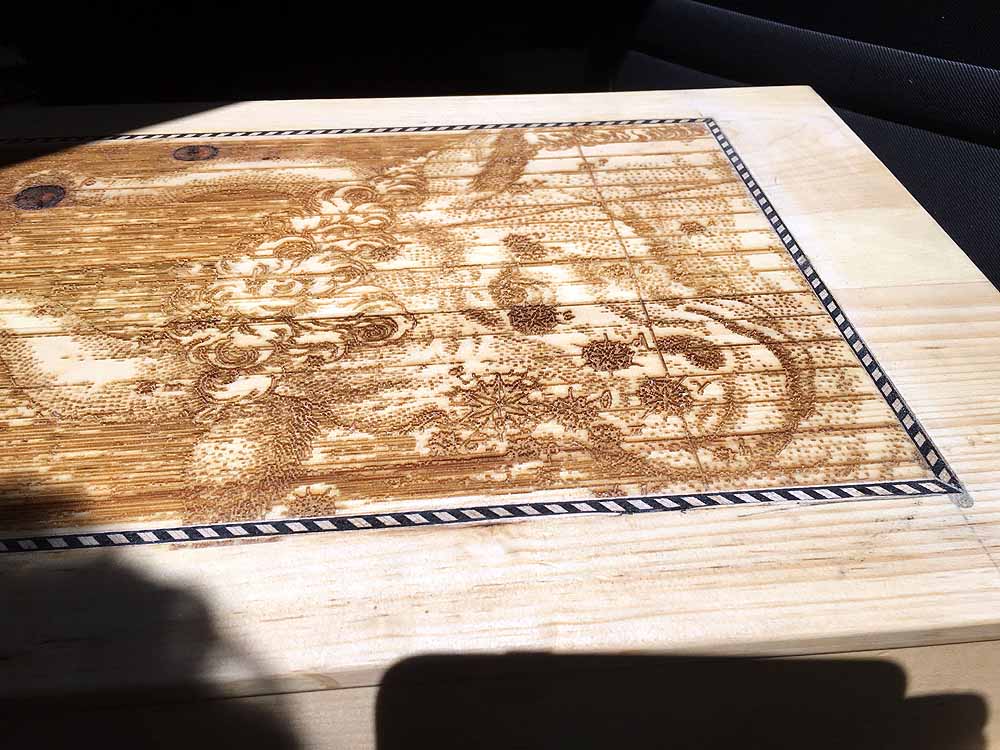
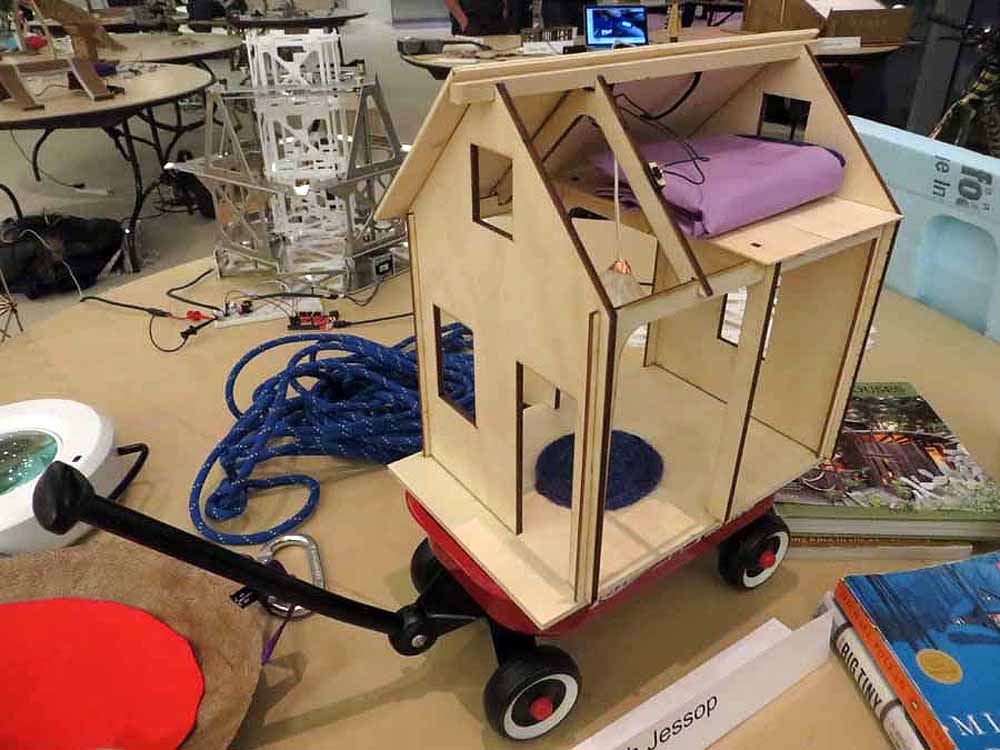
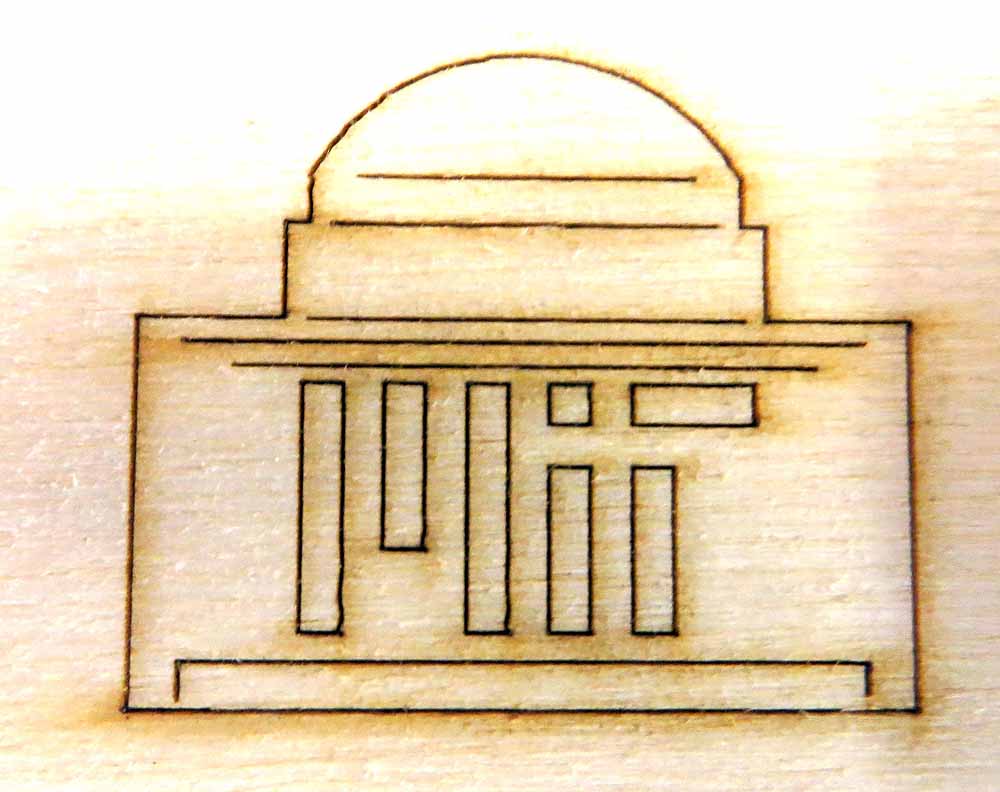
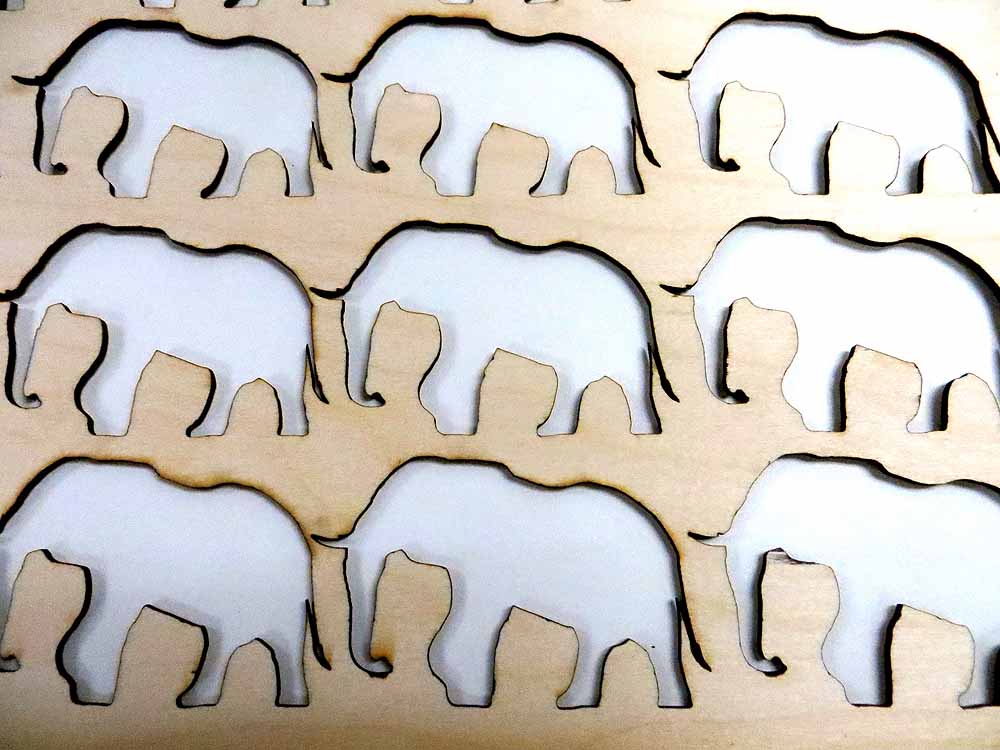
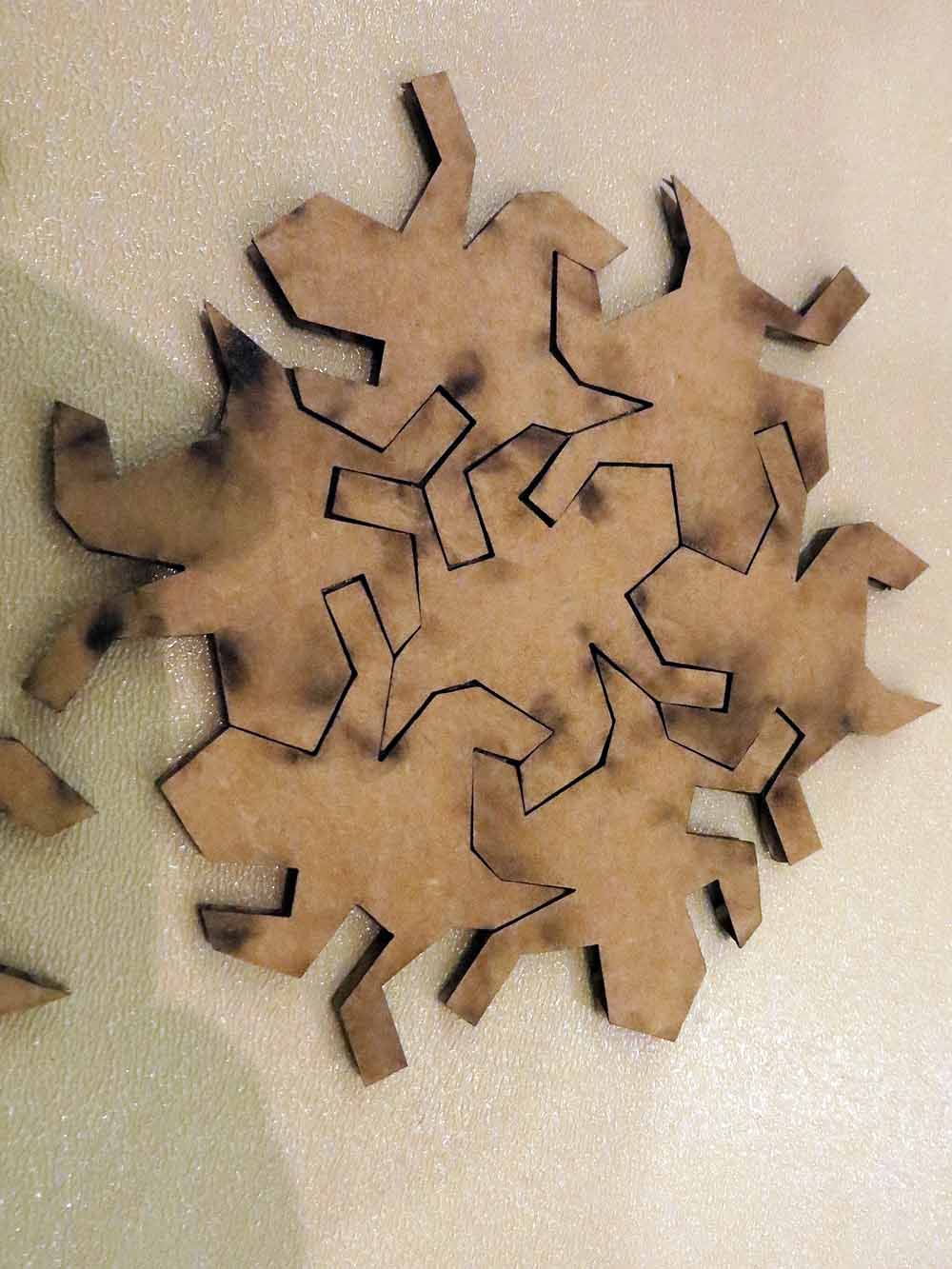
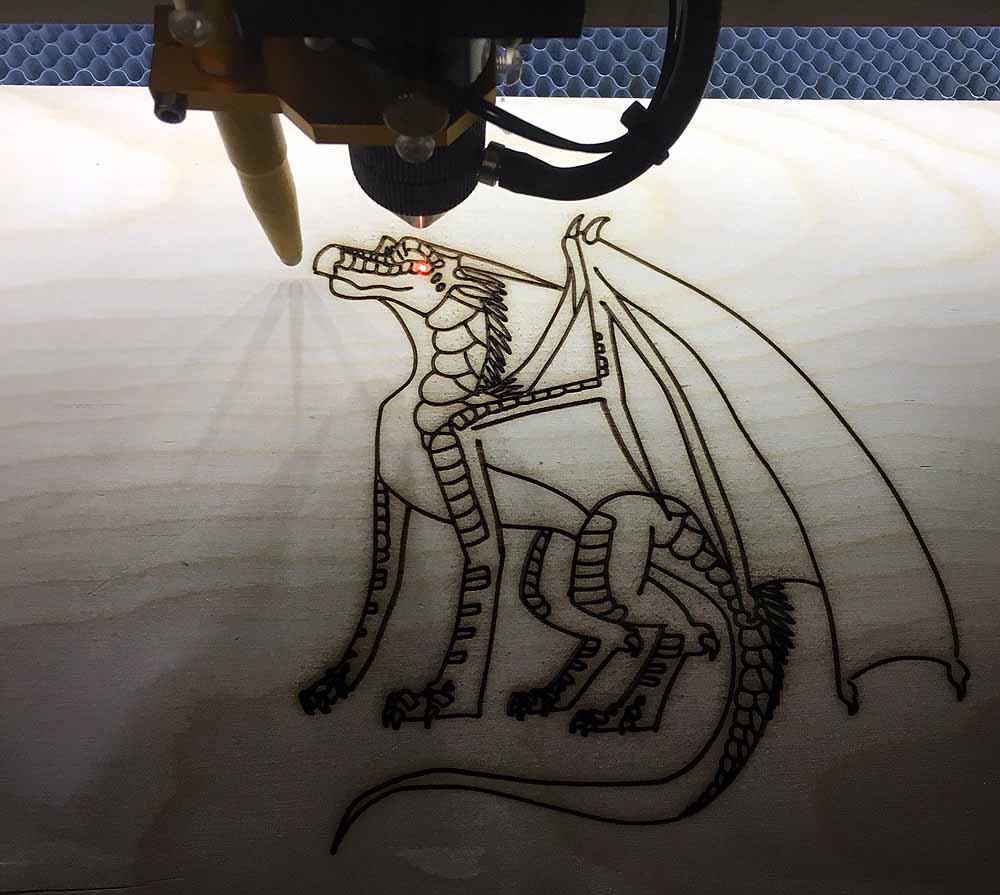
Laser cutters use focused laser light to precisely cut or engrave 2D designs in materials ranging from paper and wood to plastic, fabric, and leather. With vector mode for clean-edged cuts and raster mode for photo-realistic detail, they offer versatility and precision that often exceeds 3D printers.

Laser cutters use focused laser light to precisely cut or engrave 2D designs in materials ranging from paper and wood to plastic, fabric, and leather. With vector mode for clean-edged cuts and raster mode for photo-realistic detail, they offer versatility and precision that often exceeds 3D printers.
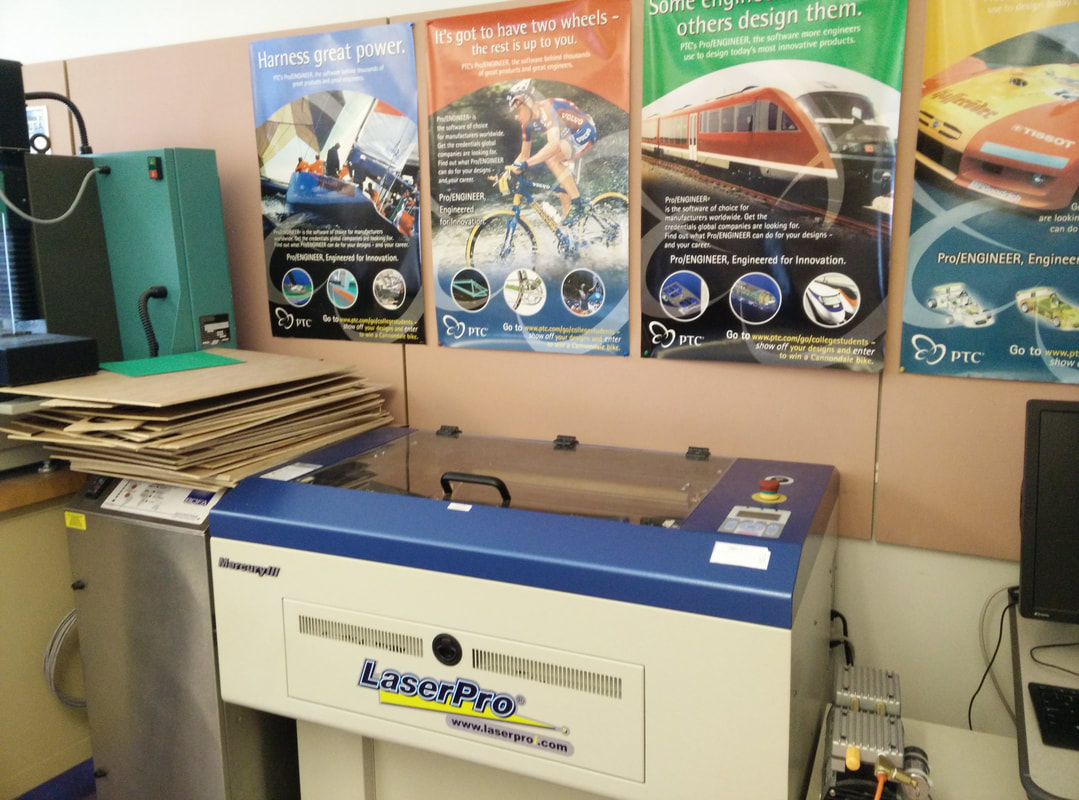
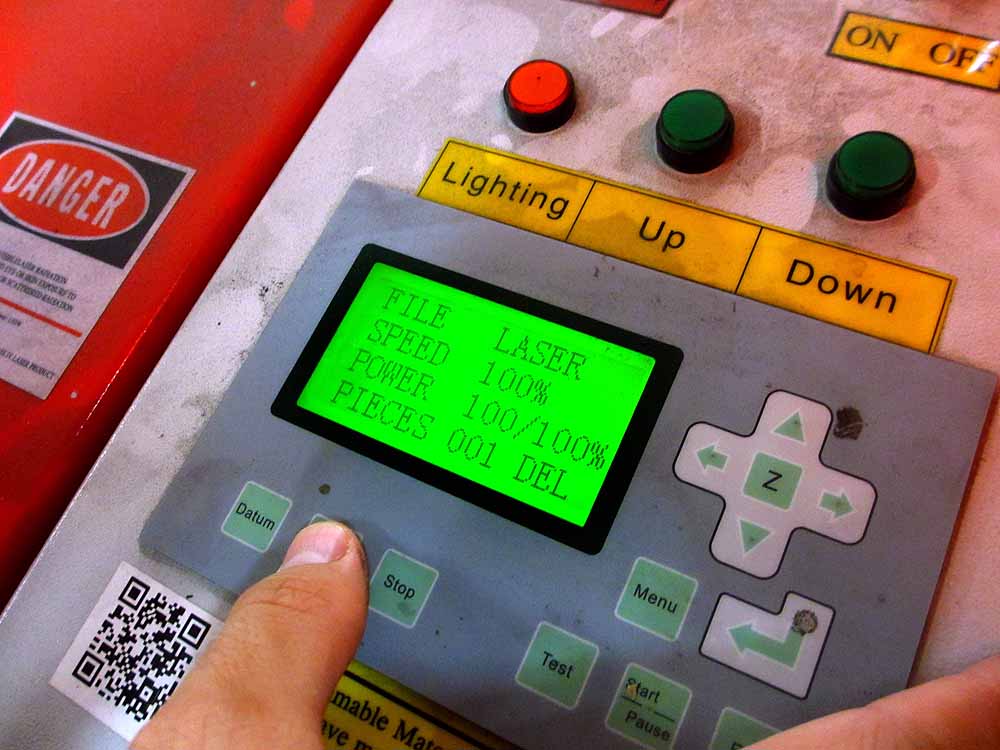
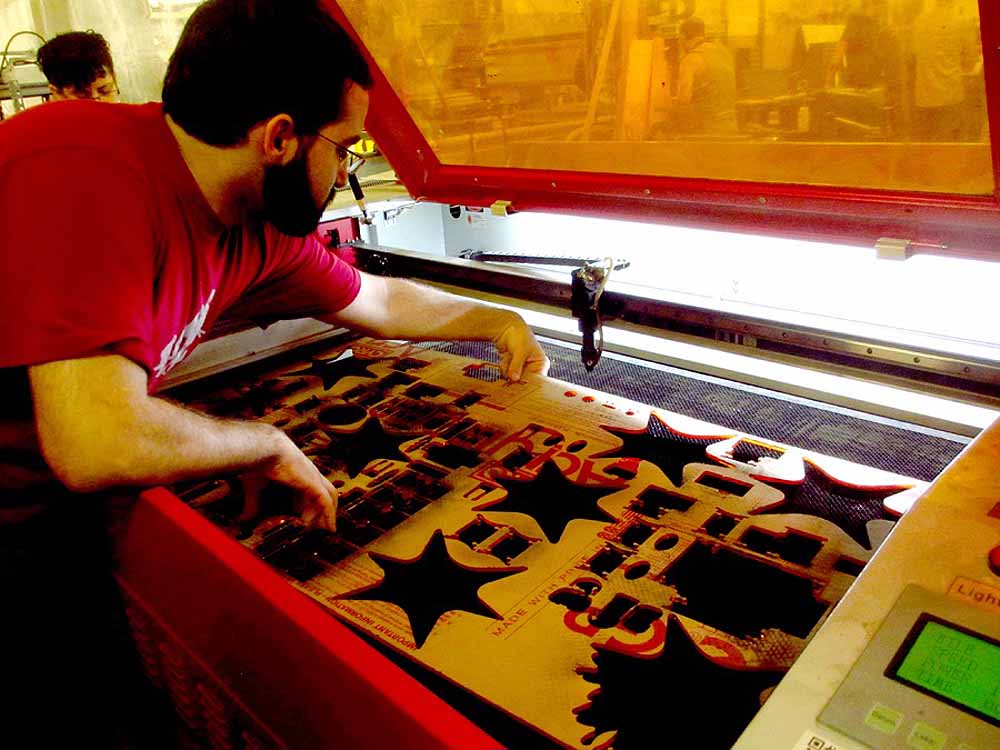
The downsides of purchasing a laser cutter are few, but begin with the steep initial cost of the machine itself plus all of the equipment necessary to keep it operating: a computer with network connection, chillers, compressors, ventilation, and power receptacles. The cost of prepping a site for the machine is typically as costly as the machine itself.* The other major issue is the laser's proneness to set the material or itself on fire, therefore it must be watched at all times during operation.Overall, laser cutters are a powerful and versatile machine that are a great tool for creative design. For a guide to current available models, see this review on All3DP but keep in mind that this is a fast changing field.*Note: For a less expensive 2D cutting alternative, consider a stylus-style machine like a vinyl or craft cutter.
Cost of the laser cutter
Cost of everything else
Useability vs. power, speed, and capacity







.svg)
We help educators integrate Maker/STEAM projects into regular academic classes, making their curriculum more engaging, promoting "21st-century" durable skills, and fostering literacy in creative technologies used by professionals.